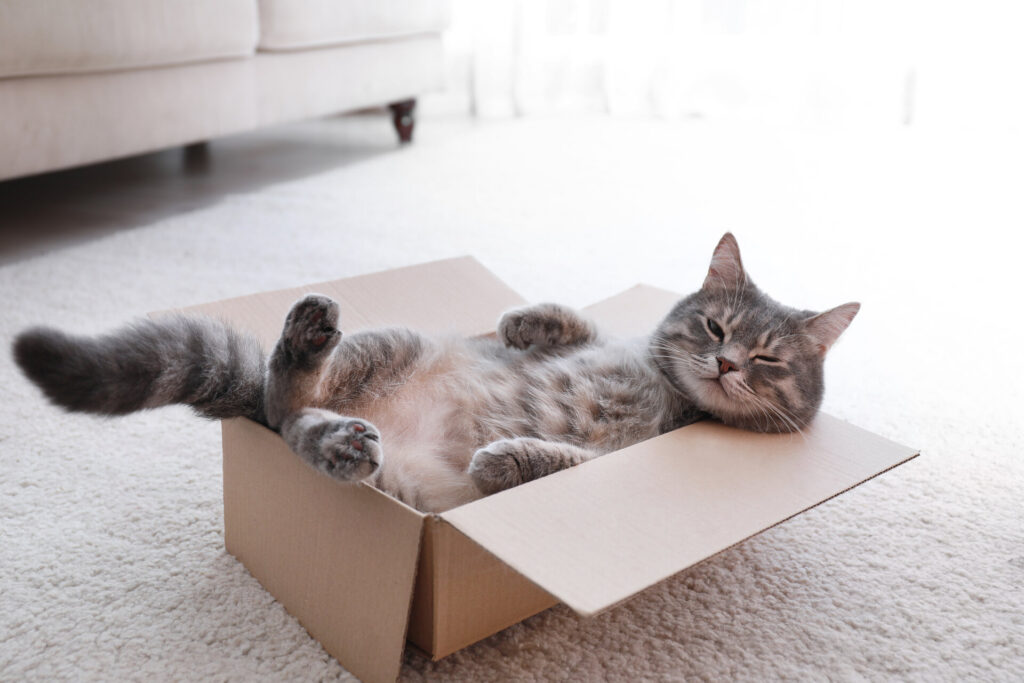

Psychologists consistently rank relocation among the most stressful life events a person can experience, standing shoulder to shoulder with major career shifts and relationship changes. Now pause for a moment and try to see it through your pet’s eyes. They have no concept of closing costs, lease agreements, or the mysterious appearance of cardboard towers in the living room. To them, the world they have carefully memorized is simply falling apart — and no one is explaining why.
For devoted pet parents, that realization hits hard. Our instinct is to shield our furry family members from the chaos, but the truth is that pets are emotional sponges: they absorb every ounce of anxiety we radiate. The secret to a truly safe and calm relocation is not found in a single tip. It lies in thoughtful preparation, a genuine understanding of animal behavior, and the humility to ask for professional help when you need it.
This complete guide is written for the anxious pet owner who wants to get it right. We will explore the psychology behind your pet’s stress, walk through a detailed four-to-eight-week preparation timeline, and share battle-tested strategies for surviving moving day itself. By the end, you will understand why partnering with a trusted moving company like State to State Movers may be the single greatest gift you can give your four-legged companion.
Understanding the Psychology of Pet Stress During a Move
To help your pet through a relocation, you first have to understand why it unsettles them so deeply. Animals experience the world through scent, sound, and spatial memory rather than reason. When the environment they have painstakingly mapped begins to vanish, their foundational sense of safety goes with it. But dogs and cats do not process this loss in the same way, and treating them as if they do is one of the most common mistakes owners make.
The Territorial Cat vs. The Pack-Oriented Dog
Cats are territorial by nature. Their security is tied to a specific physical space: the sunbeam that hits the rug at 2 p.m., the top of the bookshelf, the hidden corner behind the couch. They spend hours marking their home with facial pheromones, quietly declaring, “This is mine. This is safe.” When you start packing, you are literally dismantling their world – which is why even a half-empty room can send a cat into immediate panic.
Dogs, in contrast, are pack-oriented. While they have favorite spots, their deepest attachment is to you and the predictable rhythm of daily life. A dog’s stress comes less from boxes and more from a disrupted routine and an owner who suddenly feels emotionally different. If you are frantic, rushed, and short-tempered, your dog perceives an invisible threat and shifts into high alert.
How to Read the Signs of Pet Anxiety
Because our pets cannot tell us what they are feeling, we have to become fluent in their body language. Stress shows up differently across species.
Signs of stress in dogs:
- Excessive panting when the house is not warm
- Pacing, whining, or incessant lip licking
- Frequent yawning (a subtle but reliable signal)
- Sudden clinginess and shadowing you from room to room
- Loss of appetite or stress-induced digestive issues
Signs of stress in cats:
- Hiding for unusually long stretches
- Excessive vocalization – yowling, crying, or meowing that feels “off”
- Over-grooming, sometimes to the point of bald patches
- Sudden aggression or unexpected avoidance
- Refusing food and water, or eliminating outside the litter box
Catching these signals early gives you the chance to comfort your pet and adjust course before anxiety tips over into full-blown panic.
Pre-Move Preparation: The 4-to-8 Week Timeline
A smooth relocation is not engineered on moving day. It is built quietly, in the weeks leading up to it. The goal of this phase is simple: gradual desensitization paired with proactive healthcare.
Veterinary Preparation and Microchip Updates
About a month out, book a thorough check-up with your veterinarian. Use the visit to:
- Collect complete physical and digital health records
- Confirm all vaccinations are current
- Request prescription refills so you are not scrambling in an unfamiliar city
Most importantly, update your pet’s microchip registration and ID tags. If the worst happens and your pet bolts during the move, a chip linked to your new address and current phone number is their only reliable ticket home.
While you are there, talk honestly with your vet about behavioral support. For highly anxious animals, short-term medication such as Trazodone or Gabapentin can be genuinely life-changing. If you prefer a gentler approach, ask about veterinary-grade CBD products and pheromone diffusers like Feliway for cats and Adaptil for dogs.
The Art of Desensitization
Do not wait until move week to flood your home with boxes. That sudden skyline of cardboard is one of the biggest anxiety triggers pets face. Instead, start four to six weeks early. Bring a few moving boxes into the living room and leave them out. Let your cat rub her cheeks on the corners. Drop a handful of high-value treats inside. By the time real packing begins, those boxes will register as boring furniture – not hostile invaders.
Carrier and Crate Training
For many pets, the carrier is the single most traumatic object in the house, because it is almost exclusively associated with frightening vet visits. You need to break that association, and you have weeks to do it.
- Bring the carrier or crate out of storage early
- Remove the door entirely or tie it securely open
- Line it with an unwashed blanket that smells like home
- Begin feeding meals beside it, then eventually inside it
- Hide premium treats and new toys in the back for “discovery”
The goal is transformation: turning a scary cage into a cozy, familiar sanctuary your pet actively chooses to nap in.
A Strategic Packing Method
When you are moving with pets, the order in which you pack matters enormously. Your guiding principle is to protect your pet’s core environment for as long as humanly possible. Pack their beds, scratching posts, food bowls, and favorite toys last – ideally on the morning of the move. The scent of their unwashed belongings is emotional grounding in a house that increasingly looks and smells foreign.



Moving Day: Managing the Chaos With Confidence
Moving day is the storm. Doors are propped open for hours. Strangers tromp through rooms. The noise is relentless. Keeping your pet safe on this one specific day takes discipline, structure, and zero shortcuts.
Create a “Safe Haven” Room
Before the first box leaves the house, set up a Safe Haven. Pick a quiet, easily-closed room – a bathroom or small guest bedroom is ideal. Inside, place:
- Your pet’s carrier, bed, and favorite toys
- Fresh water and a small amount of food
- A litter box (for cats)
- A blanket with familiar scent
Close the door firmly and tape a large, brightly colored sign to it: “DO NOT ENTER — PETS INSIDE.” Tell every mover, family member, and friend that the room is strictly off-limits. This single step prevents the most common and heartbreaking moving-day disaster: a terrified pet bolting through a propped-open front door and vanishing into an unfamiliar neighborhood.
Why Hiring Professional Movers Is a Pet Safety Strategy
Here is a truth rarely discussed in moving guides: your pet is an emotional mirror. Dogs especially can read your internal state with uncanny precision. If you are exhausted, sweating under a sofa, muttering at a stuck doorway, and privately panicking about the truck rental, your pet absorbs every ounce of it.
This is exactly why hiring a trusted professional moving company is one of the most overlooked moving tips for pet owners. When you delegate the heavy lifting, the packing, and the logistics to experienced movers, your stress level drops dramatically. You free up something far more valuable than time — you free up emotional bandwidth.
Instead of wrestling a dresser down the stairs, you get to sit on the floor of the Safe Haven, hand-feeding your dog treats and speaking softly to your cat. You become the calm, confident leader your pet needs you to be. At State to State Movers, we have helped thousands of families experience exactly that kind of move — one where the humans stay grounded precisely because the professionals handle the chaos.
A calm owner creates a calm pet. Every single time.
Pet Transport Logistics
When it is finally time to leave, secure your pet in the carrier you have spent weeks training them to love. Then follow these non-negotiable rules:
- Never transport a pet in the cargo area of a moving truck. It lacks climate control, shifts dangerously, and is terrifyingly dark.
- Pets ride in the climate-controlled cabin of your personal vehicle — always.
- For dogs not in a crate, use a crash-tested safety harness that clips into a seatbelt.
- Keep the temperature comfortable and the volume low.
- Play soft classical music to help mute the startling sounds of traffic.
Speak in calm, reassuring tones throughout the drive. Your voice is their anchor.
Arrival and Post-Move Adaptation
You have made it. The truck is unloading, and every instinct tells you to fling open the carriers and let your pets roam their new kingdom. Resist that instinct. A huge, unfamiliar house is sensory overload waiting to happen. Adaptation needs to be slow, deliberate, and deeply respectful of your pet’s pace.
Pet-Proof the New Environment First
Before paws ever touch the floor, do a careful safety audit of the new home. Previous occupants leave behind more hazards than most buyers realize.
- Check every window and screen to confirm it is secure and cannot be pushed open
- Walk the backyard fence line looking for loose boards, gaps, or dig spots
- Search for toxic hazards like rat poison, old pest traps, or dangerous plants (lilies, sago palms, and oleander are among the worst offenders)
- Tuck away dangling electrical cords
- Install child-proof locks on low cabinets that hold cleaning supplies
The “Base Camp” Introduction
Do not grant full-house privileges on day one. Instead, replicate the Safe Haven idea in the new home. Choose one quiet room as Base Camp, and set up your pet’s unwashed bed, litter box, food, and water there. Open the carrier door and let them emerge entirely on their own schedule.
Keep them confined to Base Camp for the first 24 to 48 hours. Only when they are eating normally, using the litter box, and showing relaxed body language — a cat rolling on its back, a dog initiating play – should you begin opening doors to one new room at a time. This phased expansion lets them map the new territory without panic.
The Power of Scent and Routine
In the animal world, familiarity is scent-based. Resist the urge to buy brand-new designer pet beds for the fresh house. Do not wash your pet’s blankets, bedding, or toys for several weeks after moving. The smell of “them” and of the old home is emotional continuity – an invisible bridge between past and present.
Then rebuild routine with ironclad consistency:
- Feed at the exact same times you always have
- Walk the dog on the exact same schedule
- Maintain the same play and cuddle rituals
The environment has changed drastically, but when the rhythm of life stays predictable, your pet slowly begins to understand that their world — the one that matters – is still intact.
Local Moves vs. Long-Distance Relocations
The psychology is the same, but the logistics shift dramatically with distance.
A local move across town is usually a single-day event. Many pet owners find it far easier to drop their dog at a trusted doggy daycare, or leave their cat with a friend, until the new home is mostly set up. Reuniting your pet with a calm, partially furnished space is far kinder than letting them witness the full chaos unfold.
A long-distance move is a different beast entirely. Multi-day relocations demand serious planning:
- Book pet-friendly hotels well in advance – availability is tighter than you would expect
- Map rest stops and green spaces along the route for bathroom and exercise breaks
- Bring a portable litter box for feline travelers (many cats simply will not go in motion, and that is normal)
- Pack a comprehensive travel kit: water, collapsible bowls, pet first-aid supplies, extra leashes, medication, and complete veterinary records
For long-distance journeys, coordinating with a moving company that genuinely understands interstate timelines is invaluable. It is the core of what State to State Movers does — and it means your pet can arrive at a home that is already largely set up, rather than one still mid-unpack.
Conclusion: Let the Experts Carry the Load
Successfully moving with animals truly comes down to a single philosophy: plan meticulously, fiercely protect your pet’s routine, and manage your own anxiety before it becomes theirs. Your pets look to you as their anchor in a storm of cardboard and uncertainty. They need your attention, patience, and calm presence more than ever during a transition.
You simply cannot give them that if you are physically drained and mentally frayed from wrestling furniture down a staircase. The kindest, smartest move you can make – for your back, your sanity, and your pet’s wellbeing — is to let experienced professionals handle the hard part.
Your pet needs you right now. Let us handle the rest.
Reach out to State to State Movers today for a free, no-pressure quote, and discover what a genuinely stress-free move looks like — for you, for your family, and for the furry companions who trust you with every single step of the journey.
FAQ
Why should I hire professional movers when I'm moving with pets?
Because your stress is your pet’s stress. When you try to manage heavy furniture, packing logistics, and truck rentals while also comforting an anxious animal, something inevitably suffers – usually your pet. Hiring professionals like State to State Movers frees up your time and emotional energy to focus on what truly matters: being the calm, reassuring presence your pet desperately needs during this transition. It is not a luxury – it is one of the kindest decisions you can make for your furry family.
Are long-distance moves harder on pets than local ones?
They can be, simply because they involve more hours of travel, overnight stays, and extended routine disruption. That said, long-distance moves are entirely manageable with proper planning: pet-friendly hotels booked in advance, frequent rest stops, a fully stocked travel kit, and a professional moving crew handling the logistics. When you partner with State to State Movers, your home is already being set up at the destination – meaning your pet arrives to a mostly-ready space instead of ongoing chaos.
How far in advance should I start preparing my pet for a move?
Ideally, you should begin preparations four to eight weeks before moving day. This gives you enough time to gradually introduce moving boxes into the home, desensitize your pet to their travel carrier, schedule a veterinary check-up, and update microchip information. Pets thrive on slow, predictable change – rushing the process in the final week almost always leads to heightened anxiety.
Should I sedate my pet for the move?
Not without veterinary guidance. Traditional sedatives can actually be dangerous during travel because they impair balance and body temperature regulation. However, many vets prescribe anti-anxiety medications like Trazodone or Gabapentin, which calm the mind without the risks of heavy sedation. Always consult your veterinarian well before moving day – never administer anything for the first time during the move itself.